
Not all reminders are created equal. Understanding the science behind how our brains process and respond to reminders can help you set them more effectively - reducing stress and increasing follow-through.
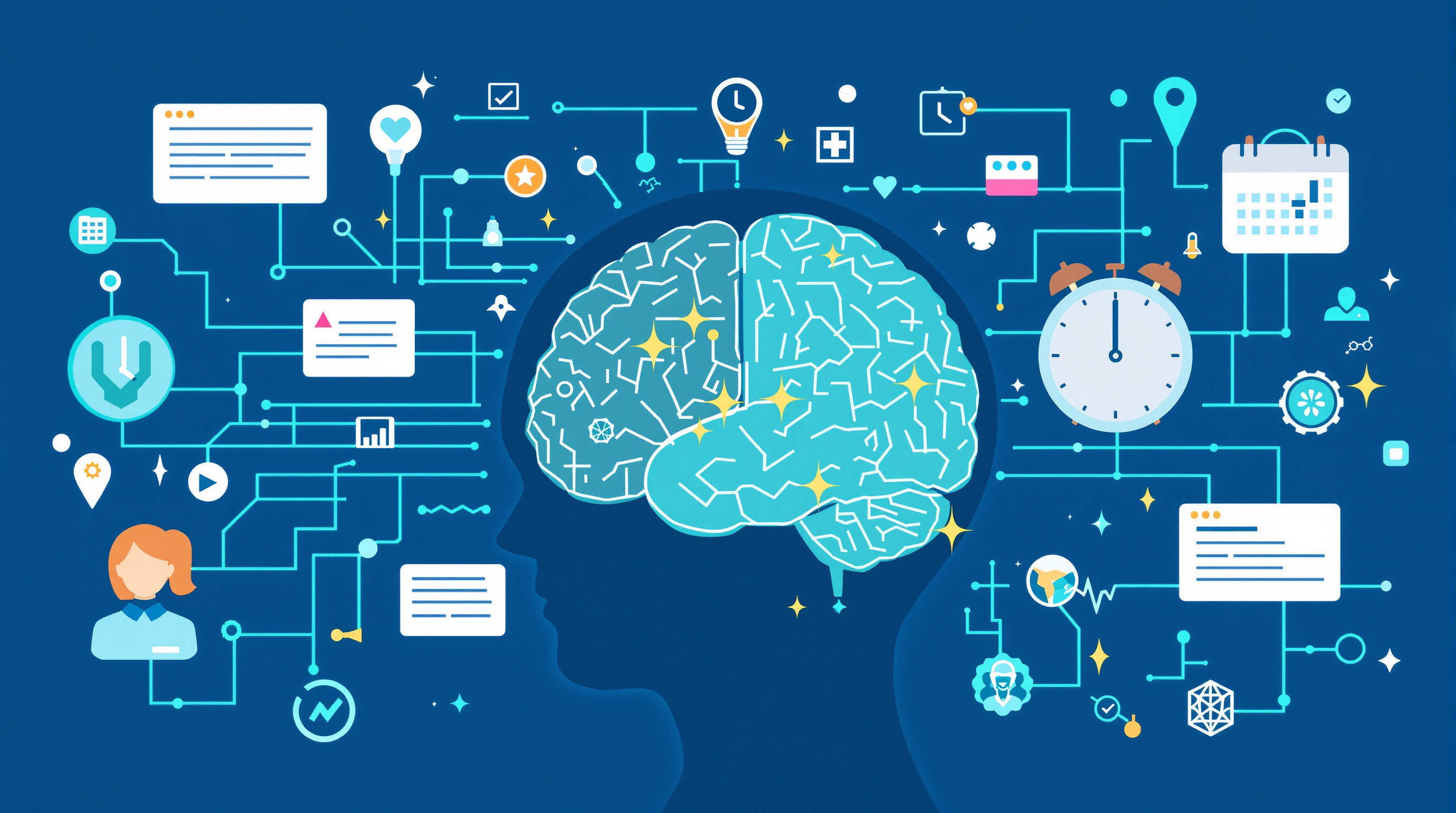
How Memory Works
Your brain has two main types of memory relevant to reminders:
Prospective Memory: Remembering to do something in the future Retrospective Memory: Remembering information from the past
Interestingly, prospective memory is more challenging for most people. That's why "I'll remember to do this later" so often fails.
The Two Types of Prospective Memory
Research identifies two distinct types:
Time-Based Reminders "Remember to call at 3 PM"
These require you to monitor time and remember the task when the moment arrives. They're cognitively demanding because you need to keep checking: "Is it 3 PM yet?"
Event-Based Reminders "Remember to buy milk when you're at the store"
These trigger when you encounter a relevant context. They're generally more effective because the environment itself cues the memory.
The Reminder Sweet Spot
Studies show that reminder timing significantly affects effectiveness:
Too Early Set a reminder too far in advance, and you might dismiss it when it's not yet actionable. When the actual time comes, there's no reminder.
Too Late Set it too close to the deadline, and there's no buffer for unexpected delays or complications.
Just Right The ideal reminder timing depends on the task:
- Quick tasks (< 5 minutes): 5-15 minutes before
- Medium tasks (30 minutes): 1-2 hours before
- Complex tasks (multiple hours): Previous day + morning of
- Preparation tasks: With enough buffer for realistic completion
Context Is Everything
The most effective reminders include context that helps you:
1. Remember why - What is this about? 2. Know what to do - What's the specific action? 3. Understand the importance - Why does this matter?
Compare these reminders:
❌ "Meeting prep" ✅ "Prepare slides for Johnson presentation - need budget numbers from email"
The second provides enough context that even if you've forgotten the details, you can act on it immediately.
The Reminder Habituation Problem
Your brain is excellent at filtering out repetitive stimuli - it's called habituation. This is why:
- You stop hearing background music
- You forget you're wearing glasses
- You become blind to that same alarm sound Solution: Vary your reminder method:
- Sometimes a notification
- Sometimes a location-based trigger
- Sometimes a morning briefing of the day ahead
Pre-Commitment and Reminders
Research on pre-commitment shows that deciding when and where you'll complete a task increases follow-through by up to 300%.
Instead of: "Study for exam" Try: "Study for exam at coffee shop after lunch on Wednesday"
This creates an "implementation intention" - you've pre-decided not just what to do, but when and where, dramatically increasing the likelihood of completion.
The Role of Motivation
Not all reminders need the same urgency level:
High-Stakes Reminders - Medical appointments - Important deadlines - Financial obligations
These benefit from multiple reminders and earlier notification.
Routine Tasks - Weekly grocery shopping - Regular exercise - Habit-building activities
These need consistent, gentle prompting without creating anxiety.
Aspirational Goals - Learning a language - Starting a side project - Long-term improvements
These benefit from positive framing and flexible timing.
Cognitive Load and Reminder Overload
Your working memory can hold about 7 (±2) items at once. When you're constantly bombarded with reminders, you experience:
- Decision fatigue
- Reminder blindness (dismissing everything)
- Increased stress and anxiety
- Reduced effectiveness
Best Practice: Limit yourself to 3-5 active reminders for "today." Everything else should be scheduled for later or captured in a trusted system.
The Power of Natural Language
Recent research in human-computer interaction shows that natural language reminders are more effective than structured forms because:
1. They reduce cognitive load during capture 2. They preserve your original thought pattern 3. They include implicit context you might forget to add explicitly
"Remind me to grab the package from the porch when I get home" is more effective than a reminder titled "Get package" because it includes the trigger (arriving home) and the location (porch).
Smart Defaults and Learning
The most effective reminder systems:
- Learn your patterns (when you typically do different tasks)
- Adapt timing based on your response rates
- Group related reminders intelligently
- Surface the right reminder at the right moment
This is where AI-powered systems shine - they can identify patterns you might not notice yourself.
The Social Dimension
Some reminders are more effective when they involve social accountability:
- "Call mom" works better if it's regular
- "Submit report" works better with a social deadline
- "Exercise" works better with a friend
Consider which tasks benefit from external motivation versus internal commitment.
Implementation Strategies
Based on the research, here are actionable strategies:
1. Time Block + Reminder Don't just set a reminder - block time in your calendar for the task. The reminder then serves as a nudge to start the blocked time.
2. Reminder Chains For multi-step tasks, set reminders for each step: - Day before: "Prepare presentation materials" - Morning of: "Review presentation" - 30 min before: "Join meeting"
3. Environmental Cues Combine digital reminders with physical ones: - Put your gym bag by the door - Place the book you want to read on your pillow - Put bills to pay on your keyboard
4. The Buffer Strategy Always include buffer time between the reminder and the deadline. A reminder at 9 AM for a 9 AM meeting isn't useful.
Conclusion
Effective reminders aren't about setting more notifications - they're about setting the right notifications at the right time with the right context. By understanding how your brain processes prospective memory and implementing evidence-based strategies, you can transform reminders from nagging interruptions into genuine productivity partners.
The goal isn't to remember everything - it's to capture everything and be reminded of the right thing at exactly the right moment.